
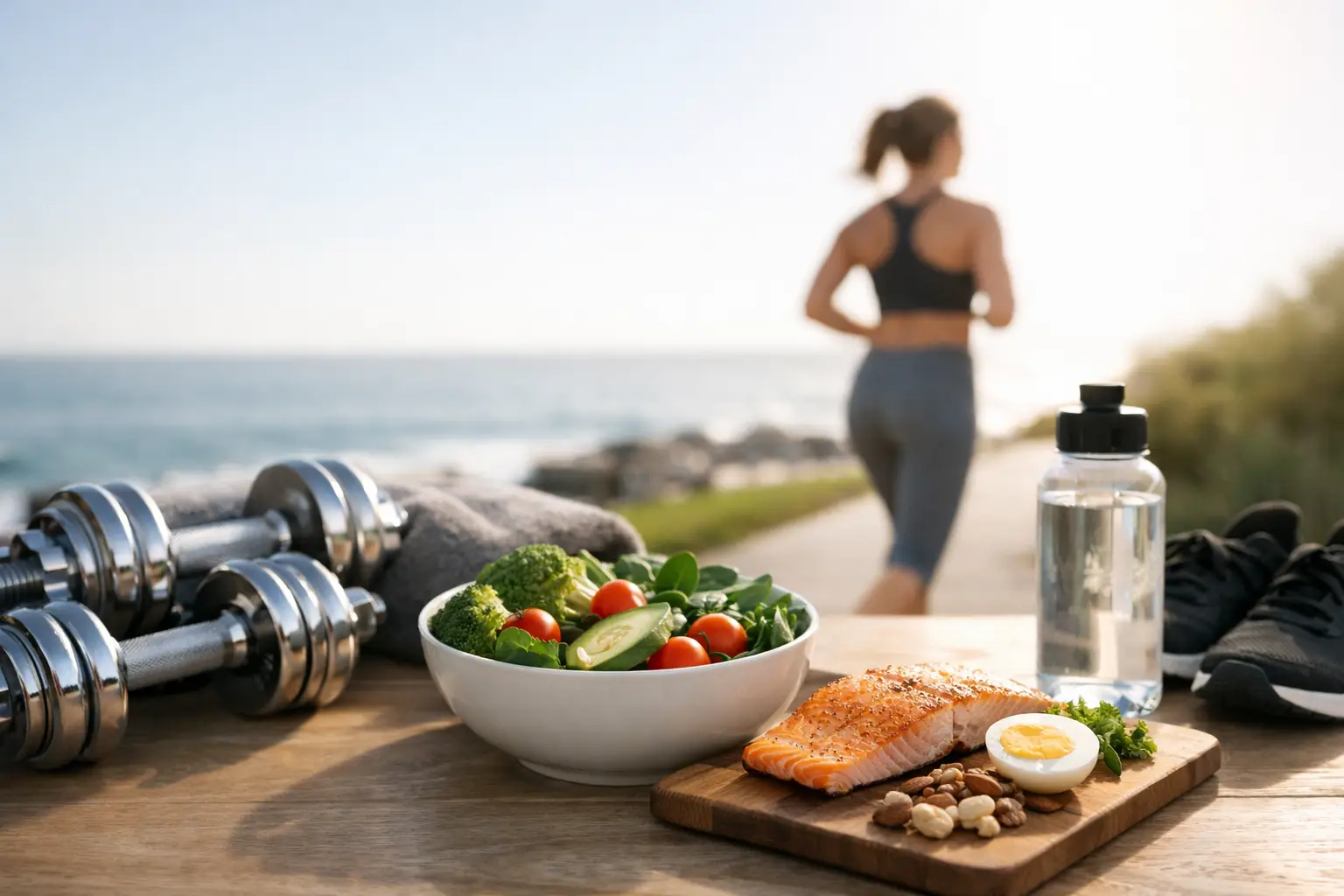
The scale can drop quickly when you cut everything you enjoy, train twice a day, and white-knuckle your way through hunger. The problem is that life eventually returns: work deadlines, family dinners, travel, stress, and the simple desire to feel normal around food. A real guide to sustainable fat loss starts with a higher standard. The goal is not to lose weight for a moment. It is to build a body and routine you can maintain with confidence.
Sustainable fat loss requires consistency, not punishment. It asks you to create a calorie deficit while protecting your strength, energy, mindset, and relationship with food. That takes a personalized plan, honest feedback, and enough support to keep moving when motivation fades.
What sustainable fat loss actually means
Fat loss happens when your body uses more energy than it takes in over time. That principle is simple. Putting it into practice is more personal.
A sustainable approach creates a moderate calorie deficit rather than an extreme one. You eat enough to train well, think clearly, sleep better, and participate in your life. You also focus on preserving or building muscle through resistance training, because muscle supports strength, function, and a leaner-looking physique as body fat comes down.
Progress will not be perfectly linear. Water retention, menstrual cycles, sodium intake, muscle soreness, travel, and stress can all change the number on the scale from day to day. That does not erase fat-loss progress. Look for trends over several weeks, along with changes in measurements, energy, strength, clothing fit, and confidence.
For many adults, a loss of roughly 0.5 to 1 percent of body weight per week may be a reasonable target. The right pace depends on your starting point, medical history, activity level, and how much weight you have to lose. Faster is not automatically better if it leaves you depleted, injured, or primed to rebound.
Start with the habits that create a calorie deficit
You do not need a complicated menu or a closet full of supplements to begin. You need meals that are satisfying enough to repeat and structured enough to support your goal.
Build meals around protein and plants
Protein deserves a central role in a fat-loss plan. It supports muscle retention, helps with fullness, and makes meals more satisfying. Include a quality protein source at each meal, such as eggs, Greek yogurt, fish, chicken, turkey, lean beef, tofu, tempeh, or beans paired with other protein-rich foods.
Then add high-volume, high-fiber foods. Vegetables, fruit, beans, potatoes, whole grains, and minimally processed foods can help you feel full without making every meal feel restrictive. This does not mean bread, dessert, or restaurant meals are off limits. It means your everyday choices should make your target easier to reach.
A practical plate often includes protein, colorful produce, a smart portion of carbohydrates, and a source of healthy fat. Carbohydrates can be especially useful around demanding workouts. The best balance depends on your preferences and training volume, but cutting an entire food group is rarely necessary for lasting results.
Make portions visible before you track every calorie
Calorie tracking can be useful for some people, especially when a plateau has made intake hard to gauge. For others, it becomes exhausting or overly rigid. Start by learning what appropriate portions look like and paying attention to the foods that add up quietly: oils, dressings, alcohol, sugary drinks, snacks eaten while distracted, and oversized restaurant portions.
If tracking helps you learn, use it as a temporary education tool rather than a life sentence. If it does not, regular meal timing, protein targets, planned snacks, and mindful portions can still create meaningful progress. The method matters less than your ability to practice it consistently.
Plan for real life, not a perfect week
A plan that only works Monday through Thursday is not a sustainable plan. Decide in advance how you will handle celebrations, business travel, vacations, and weekends. You might choose one restaurant meal to fully enjoy, prioritize protein earlier in the day, take a walk after dinner, or return to your normal routine at the next meal.
There is no need to “start over” after a higher-calorie day. That all-or-nothing pattern is one of the biggest reasons people stay stuck. One meal does not define your results. Your next decision does.
Strength training is your fat-loss advantage
Cardio burns calories and supports heart health, but strength training gives fat loss a more durable foundation. It helps preserve lean mass in a calorie deficit and gives your body a reason to stay strong as it changes.
Aim for a program built around foundational movement patterns: squatting, hinging, pushing, pulling, carrying, and core stability. You do not need to punish yourself with endless workouts. Two to four well-designed strength sessions each week can be highly effective when paired with progressive challenge, quality form, and recovery.
Walking is another powerful tool because it is accessible, low impact, and easier to recover from than intense daily cardio. A consistent step goal can raise daily activity without leaving you drained. For someone new to exercise, regular walks and two full-body strength sessions may be a better starting point than a demanding bootcamp schedule. For an experienced trainee, more structured conditioning may fit well. The right plan meets you where you are and pushes you forward safely.
Recovery is not optional when you want lasting results
Sleep, stress, and recovery are often treated as extras. They are not. Poor sleep can increase hunger, lower workout performance, reduce patience, and make convenient high-calorie foods much harder to resist. Chronic stress can create the same cycle.
Set a realistic sleep routine, even if you cannot make it perfect. Create a wind-down ritual, keep your room cool and dark, and protect a consistent bedtime when possible. Recovery also includes taking rest days, using mobility work when your body needs it, and choosing workouts that challenge you without breaking you down.
This is where an immersive reset can be valuable. At Gulf Coast Fitcation, expert coaching, nutrition education, yoga, recovery services, and structured movement work together to show clients what a supported routine can feel like. The beach setting adds space to breathe, but the real value is learning habits you can carry home.
Use accountability to close the gap between knowing and doing
Most people do not need more random fitness advice. They need a system that turns good intentions into action. Accountability can come from a coach, a registered dietitian, a training partner, a supportive family member, or regular check-ins with yourself.
The best accountability is specific. Instead of saying, “I will be healthier,” commit to actions you can measure: prepare breakfast for four weekdays, strength train three times, walk after lunch, or include protein at every meal. Review what happened each week without shame. If a strategy did not work, adjust the strategy rather than labeling yourself a failure.
Personalized coaching is especially helpful when you have been dieting for years, have a history of injuries, feel intimidated by exercise, or keep losing and regaining the same weight. If you have a medical condition, take medications that affect appetite or weight, are pregnant, or have a history of disordered eating, work with qualified healthcare professionals before making major changes.
How to know your plan is working
A successful fat-loss plan should feel challenging at times, but it should not consume your entire life. You are likely on the right track if you can maintain your social connections, complete your workouts with solid energy, sleep reasonably well, and return to your routine after an imperfect day.
Monitor your progress with more than one metric. Weigh yourself consistently if that feels helpful, ideally under similar conditions, and use weekly averages instead of reacting to a single number. Take measurements or progress photos every few weeks. Notice whether you can lift more, walk farther, move with less discomfort, or make food decisions with less stress.
If progress stalls for several weeks, do not slash calories immediately. First, check your consistency. Portions may have drifted, steps may have fallen, weekends may be offsetting the weekday deficit, or sleep may have deteriorated. Small adjustments are more likely to preserve momentum than dramatic changes.
Fat loss becomes sustainable when your plan respects the person you are beyond the scale. Invest in habits that make you stronger, more capable, and more at home in your body. Start with one meal, one workout, and one promise you can keep this week – then let that proof build the confidence for your next step.
Leave a Reply