
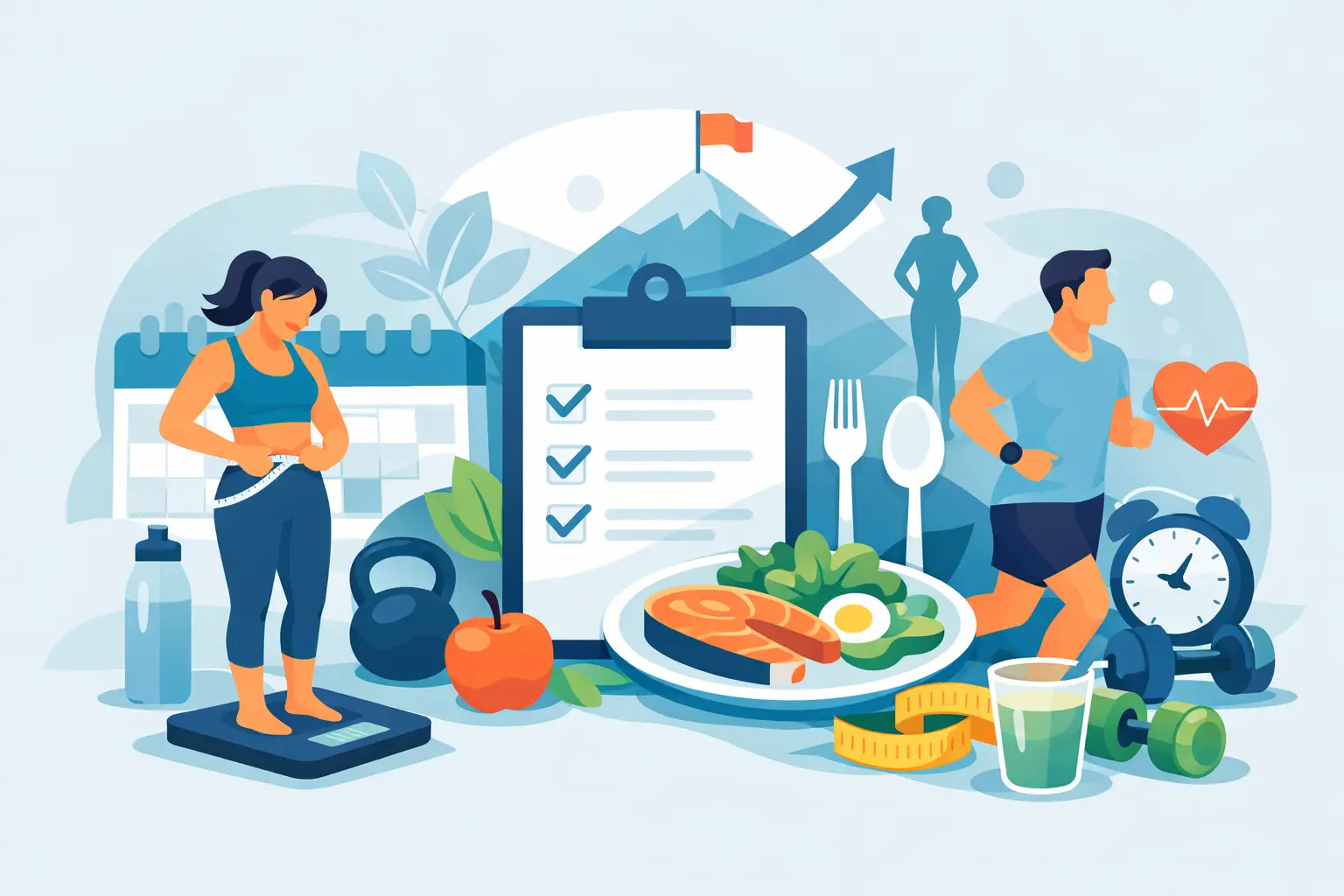
January motivation fades fast when your plan does not fit your real life. That is why the best weight loss programs 2026 are not just about calorie targets or trendy workouts. They are built around accountability, structure, and a level of support that helps busy adults stay consistent long enough to see real change.
If you are comparing programs this year, the biggest mistake is assuming the “best” option is the one with the loudest marketing or the lowest monthly price. Weight loss works when the program matches your schedule, your personality, your current fitness level, and the kind of support you actually respond to. Some people need flexibility. Others need immersion. Some want digital convenience, while others need to step out of their daily environment and fully reset.
What makes the best weight loss programs 2026 stand out
The strongest programs in 2026 have moved away from one-size-fits-all plans. They still use the fundamentals – calorie control, movement, sleep, stress management, and behavior change – but they package them differently depending on the person.
A good program should make progress measurable. That can mean pounds lost, inches reduced, strength gained, energy improved, or habits built that last beyond the first month. It should also give you more than motivation. Motivation is unreliable. Systems, coaching, and structure are what carry people through plateaus, travel, work stress, and family obligations.
The other major difference this year is personalization. Generic meal plans and punishing exercise schedules are losing ground to programs that adapt. If your knees hurt, your workouts should change. If you travel for work, your nutrition strategy should reflect that. If emotional eating is the issue, mindset support matters just as much as macros.
7 best weight loss programs 2026 buyers are choosing
1. Medical weight loss programs
These programs appeal to people who want close supervision, especially if they have obesity-related health concerns or have struggled to lose weight through standard dieting. They often include physician oversight, lab work, body composition tracking, and in some cases prescription-based treatment.
The advantage is precision. If you need a clinical approach and clear health markers, this format can be effective. The trade-off is that medical programs sometimes focus heavily on the scale and less on lifestyle enjoyment, confidence, or fitness performance. Results can be strong, but long-term success depends on whether healthy habits are built alongside treatment.
2. App-based coaching programs
These are popular because they are convenient, affordable, and easy to start. Most combine food tracking, workouts, habit reminders, and messaging with a coach or support team. For self-starters, that may be enough.
The challenge is compliance. An app cannot remove you from your routine, your pantry, your dinner invites, or your stress. If your main barrier is knowledge, digital programs can help. If your main barrier is follow-through, they may not create enough pressure or support to change behavior at the level you want.
3. Group accountability programs
Think weekly weigh-ins, group meetings, community check-ins, and structured milestones. These programs work well for people who do better when they know others are expecting them to show up.
Community can be powerful. It reduces isolation and keeps weight loss from feeling like a private struggle. But group models can be hit or miss if your goals, fitness level, or confidence are very different from everyone else in the room. Support matters, but personalization still matters more.
4. Fitness-first transformation programs
These programs center on training, often with a strong emphasis on strength, cardio, and body composition. They can be excellent for people who are motivated by performance and visible physical progress.
When done well, this format builds more than fat loss. It can improve mobility, confidence, posture, and metabolic health. The downside is that some programs push intensity before recovery, technique, or nutrition habits are in place. Harder is not always better, especially for adults returning to exercise after years away.
5. Nutrition-focused coaching programs
For some people, food is the whole game. Nutrition coaching programs usually concentrate on meal structure, portion control, eating patterns, and education that makes healthy choices easier in the real world.
This can be a smart option if workouts are already part of your routine and your eating habits are the missing piece. But nutrition-only support has limits. If stress, sleep, inactivity, or lack of accountability are also driving weight gain, food guidance alone may not create the full shift you need.
6. All-inclusive weight loss retreats
This is the category getting more attention in 2026, especially from busy professionals and adults who feel stuck in the same loop. Retreat-based programs create a short, intensive reset by taking you out of your normal environment and placing you in a structured setting where movement, meals, recovery, and coaching are built in.
The reason this model works is simple. It reduces friction. You are not deciding whether to work out after a draining day. You are not negotiating with yourself about what to order for dinner. You are in a system designed for results, and that momentum can be powerful.
Of course, not every retreat is equal. Some lean too far into luxury and not enough into outcomes. Others feel punishing and unsustainable. The best retreat programs combine expert coaching, individualized modifications, recovery support, and education you can bring home. When that balance is right, a retreat can do more than help you lose weight. It can interrupt patterns that have kept you stuck for years.
7. Hybrid programs with retreat plus follow-up support
This may be the strongest model for many adults in 2026. A hybrid approach pairs immersive results up front with ongoing coaching afterward. You get the jump-start of a dedicated program and the continuity needed to maintain progress once regular life resumes.
That combination matters. Fast early wins can build belief, but maintenance requires strategy. If a program can help you transition from structured days to independent living without losing momentum, it is solving the part where many people usually backslide.
How to choose the right program for you
Start with honesty, not hope. Ask yourself where your weight-loss efforts usually break down. If you know what to do but do not do it consistently, you likely need accountability and structure more than information. If you feel overwhelmed by conflicting advice, expert guidance should move higher on your list. If your routine is the problem, changing your environment may be the smartest move.
Budget matters, but value matters more. A low-cost plan that you quit in three weeks is more expensive than a premium program that helps you finally create traction. The same goes for time. Many adults hesitate to invest in a concentrated program, yet they spend years losing and regaining the same 10 to 20 pounds.
Also pay attention to whether the program respects sustainability. Rapid results can be motivating, but if the method depends on extreme restriction or unrealistic exercise volume, it is a short-term fix. The best programs challenge you, but they also teach you how to live.
Why immersive programs are gaining ground
There is a reason retreat-style transformation programs are rising on more “best of” lists this year. People are tired of starting over every Monday. They want traction, not just tips. They want to invest in themselves and come away with visible progress, expert support, and a clear plan they can keep using.
An immersive setting creates that kind of momentum faster than most at-home options. For the right person, stepping away for a few days can produce more meaningful progress than months of half-committed effort. When that experience includes training, nutrition education, recovery, and personalized coaching, the results tend to feel more complete and more sustainable.
That is exactly why premium retreat models are resonating with adults who want a serious reset without sacrificing comfort or support. A well-designed fitcation gives you challenge, structure, and professional guidance in an environment that feels energizing rather than punishing. Gulf Coast Fitcation is one example of how that model is evolving – blending expert-led weight-loss strategy with a beachfront experience that helps people focus fully on change.
The real question behind the best weight loss programs 2026
The best program is not the one everyone else is doing. It is the one you can commit to deeply enough to let it work. For some, that will be medical supervision. For others, it will be coaching through an app or a local group. But if you are ready for faster momentum, stronger accountability, and a true break from the habits that keep pulling you backward, an immersive program may be the move that finally changes your trajectory.
Choose the option that asks something meaningful of you and gives something meaningful back.
Leave a Reply